Most small businesses don’t need thousands of followers or a huge marketing budget. They need a steady flow of the right people getting in touch: enquiries, quote requests, bookings. That’s what lead generation is about.
Key takeaways
- If you get visitors but few enquiries, the problem is usually the website or the offer.
- Start by fixing your website, then the free local basics, then one paid channel with a clear offer.
- Reply fast to leads ready to buy, and stay in touch with those still researching.
- Track enquiries, their source and cost per enquiry, and ask every new customer how they found you.
This guide explains how lead generation works in plain English, then covers 10 practical strategies to get more leads for your business, with notes on which ones suit which kind of business.
What is lead generation?
Lead generation is the process of attracting people who might need what you sell and getting them to take a first step, such as filling in a form, sending a message, booking a call or signing up for an offer. Once someone has done that, they’re a lead: you know who they are and they’ve shown interest.
Very few people buy the first time they come across a business. Lead generation gives them an easy, low-risk first step, so you can follow up and turn that interest into a sale.
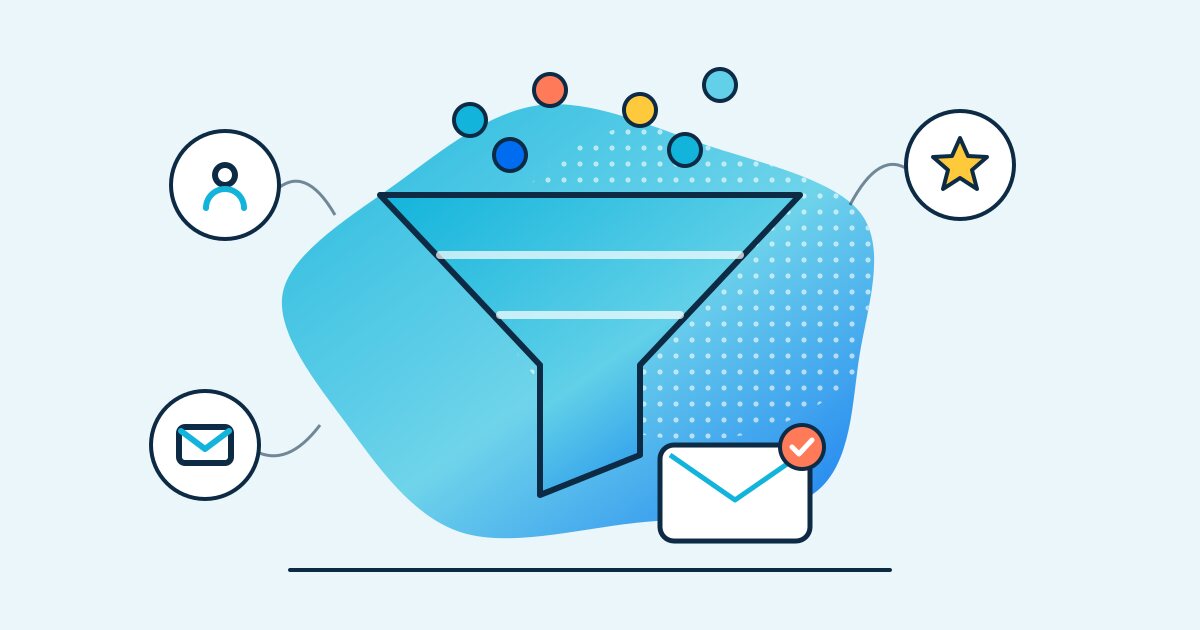
How the lead generation funnel works
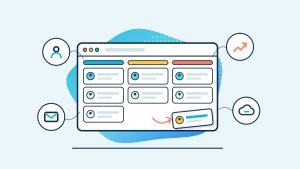
It helps to think of lead generation as a funnel with four stages:
- Awareness. People discover you, through Google, social media, an ad or a recommendation.
- Interest. They look at your website or social profiles to see what you offer and whether you’re right for them.
- Decision. They compare you with alternatives. Reviews, examples of your work, clear pricing and quick responses matter most here.
- Action. They get in touch, book or buy.
Most businesses lose people between the stages, not at the top. If you’re getting visitors but few enquiries, the problem is usually the website or the offer, not the amount of traffic.
Not every lead is ready to buy
Some leads are ready to book today. Others are just researching. It’s worth treating them differently:
- Ready to buy: respond quickly and make booking easy. Speed matters: the first business to reply often gets the job.
- Still researching: stay in touch with useful information, examples and reminders until they’re ready.
10 lead generation strategies that work for small businesses
1. Make your website a lead generator
Your website should do more than list your services. Every page needs a clear next step (call, WhatsApp, quote form or booking button), visible on mobile without scrolling. Short forms get more replies than long ones. Ask only for what you need to follow up. Our 12-point website checklist covers the essentials.
2. Show up in local Google searches
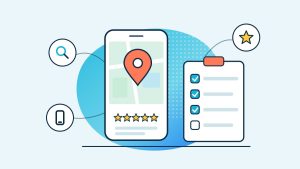
People searching “your service + your town” are ready to buy. Make sure you have a dedicated page for each main service and area, a complete Google Business Profile with photos and up-to-date hours, and a steady stream of reviews. It takes a few months, but these leads cost nothing per click.
3. Create an irresistible offer
Give people a reason to get in touch now rather than later: a free quote, a free check or consultation, a seasonal discount, a first-booking offer or a free guide. A specific, valuable offer turns “maybe later” into an enquiry today.
4. Use paid ads to reach the right people
Google Ads catch people actively searching for what you do. Facebook and Instagram ads let you reach people by location, age and interests before they start searching. Both work best when they send people to a dedicated landing page with one clear action, not your homepage. Start small, track the cost per enquiry, and scale what works. If you advertise on Meta, read what the new Meta subscriptions mean for paid ads.
5. Use Facebook and Instagram properly
Social media works best as a shop window: show your work, your team and happy customers, and make it easy to message you. Keep your profile consistent with your brand, add a clear way to book or enquire, and use lead forms or messaging ads to collect enquiries without people leaving the app.
6. Offer something useful in exchange for details
A checklist, price guide, how-to video or short email course can turn website visitors who aren’t ready yet into leads you can follow up. This works especially well for higher-value services where people research for a while before deciding.
7. Stay in touch with email
Most leads won’t buy straight away. A short, useful email every few weeks keeps you in mind until they’re ready, and brings back past customers for repeat work. Keep it helpful rather than salesy.
8. Retarget people who’ve visited your site
Most visitors leave without getting in touch. Retargeting ads show your business to them again on Facebook, Instagram or Google, reminding them to come back. It’s often one of the cheapest sources of enquiries once you have steady website traffic.
9. Build a referral system
Tip
Happy customers are your best salespeople. Ask for referrals at the right moment, usually just after a job goes well, and make it easy, perhaps with a thank-you discount or small reward for anyone who sends a new customer your way.
10. Collect and show reviews everywhere
Reviews on Google, Facebook and industry sites help people decide, and Google reviews help you rank locally. Ask every happy customer, reply to every review, and show the best ones on your website next to your contact buttons.
Which strategies should you start with?
Don’t try all ten at once. For most small businesses, the best order is:
- Fix the website so visitors can easily get in touch.
- Get the free local basics right: Google Business Profile, reviews and service pages.
- Add one paid channel with a clear offer and a landing page, and measure the cost per enquiry.
- Follow up properly: fast replies, then email for leads who aren’t ready yet.
How to tell if it’s working
Track a few simple numbers each month: how many enquiries you get, where they came from, how many turn into paying customers, and, for ads, what each enquiry costs. Ask every new customer how they found you. Within a few months, you’ll know exactly where to put your time and money.
Want more enquiries without the guesswork?
We’re DM Media Solutions, and lead generation is one of our core services. We plan and run campaigns, build the landing pages and set up the tracking, for businesses in the UK and abroad, from caterers and entertainers to coaches and therapists. See our lead generation case studies.
Message us on WhatsApp at +44 7737 351525 or get in touch. We’ll give you a straight answer and a fixed quote.
Want a website that brings in enquiries?
Fixed quotes, most sites live in 2 to 6 weeks. Talk to Manu directly, no call centre.